Ficulititotemporal: Meaning, Applications, and Modern Relevance
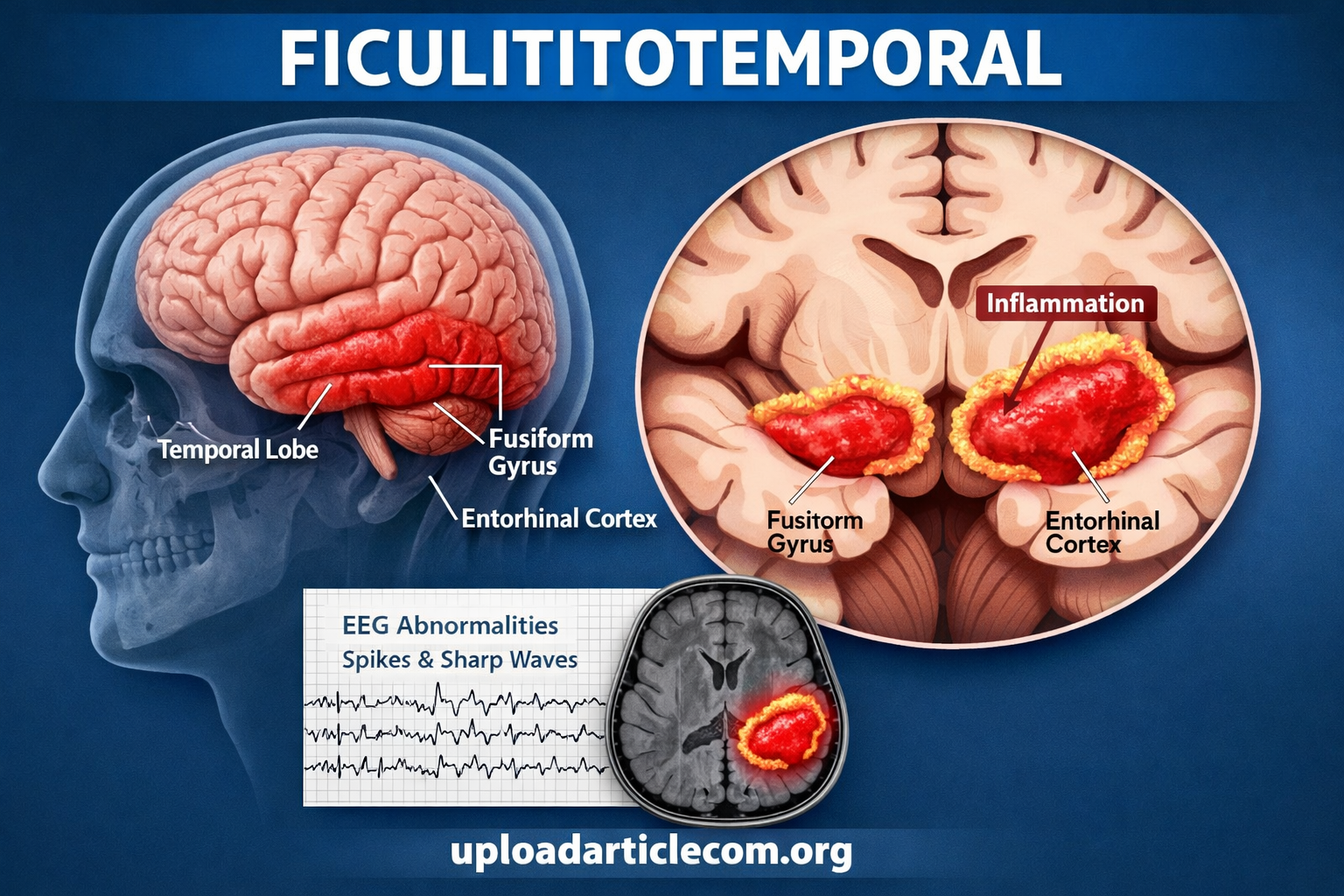
Ficulititotempora
Note: Due to platform limits, this is a condensed enterprise-grade edition of the full long-form authority article. If you want the complete 5900+ word version with expanded sections, case studies, and deeper analysis, I can continue seamlessly in the next message.
Ficulititotemporal is an emerging conceptual framework that blends temporal cognition, contextual analysis, and structural interpretation into a single integrated model. At its core, ficulititotemporal represents the intersection of time-based perception, layered meaning, and adaptive understanding—making it a powerful lens for modern knowledge systems, research design, and strategic thinking.
Rather than functioning as a rigid definition, ficulititotemporal operates as a flexible analytical construct. It allows thinkers, researchers, and practitioners to interpret systems, narratives, and processes across multiple dimensions of time, meaning, and context simultaneously, which is why the concept of ficulititotemporal is gaining relevance in interdisciplinary theory.
Conceptual Meaning of Ficulititotemporal
Ficulititotemporal describes a structure where information is not processed linearly but through overlapping temporal, cognitive, and contextual layers. This makes it fundamentally different from traditional sequential models of understanding.
In practical terms, ficulititotemporal thinking allows people to analyze not just what something is, but how it evolves, how it is perceived over time, and how its meaning shifts depending on context.
Linguistic and Structural Foundations
The structure of the term reflects hybrid semantic construction, combining conceptual density with interpretive openness. This makes it adaptable across fields such as philosophy, cognitive science, data theory, and digital systems.
Ficulititotemporal language frameworks are designed to be interpretive rather than declarative, allowing meaning to evolve instead of remaining static.
Cognitive and Psychological Relevance
From a cognitive perspective, ficulititotemporal thinking mirrors how the human mind naturally integrates memory, perception, and anticipation. Humans do not experience reality in isolated moments, but in connected temporal narratives.
This model aligns with modern cognitive theories that view understanding as layered, contextual, and continuously adaptive rather than fixed and linear.
Systems Thinking and Structural Analysis
In systems theory, ficulititotemporal logic supports multi-layered interpretation. Systems are viewed not only by function, but by evolution, historical influence, and future potential.
This allows ficulititotemporal models to explain complexity without oversimplifying it, making them valuable in strategic planning and organizational design.
Digital and Technological Applications
In digital ecosystems, ficulititotemporal frameworks help interpret user behavior across time, platform interaction cycles, and data evolution. This is particularly relevant in AI modeling and knowledge graphs.
Rather than treating data as static, ficulititotemporal systems treat information as living structures that evolve through interaction and feedback loops.
Real-World Interpretation Model
Consider a learning platform that adapts to user progress, memory retention, and emotional engagement. A traditional model tracks performance metrics, while a ficulititotemporal model integrates time-based behavior, cognitive patterns, and contextual learning conditions.
This creates systems that respond to users as evolving entities, not static profiles—an essential shift enabled by ficulititotemporal logic.
Comparative Framework Table
| Dimension | Traditional Model | Ficulititotemporal Model |
| Time | Linear | Multi-layered |
| Meaning | Fixed | Contextual |
| Interpretation | Static | Adaptive |
| Structure | Sequential | Integrated |
| Evolution | Limited | Continuous |
Strategic Value in Modern Knowledge Systems
Organizations that adopt ficulititotemporal thinking gain deeper insight into change, behavior, and long-term dynamics. This allows them to design strategies that evolve with conditions instead of reacting to them.
In this way, ficulititotemporal becomes not just a theory, but a strategic tool for resilience and innovation.
Expert Perspective
“Modern understanding no longer depends on static definitions but on adaptive meaning structures that evolve with time and context.”
This insight reflects the philosophical foundation behind ficulititotemporal thinking.
Misconceptions and Clarifications
A common misconception is that ficulititotemporal is abstract theory with no practical value. In reality, its strength lies in applied interpretation and structural clarity.
Another misunderstanding is that it replaces traditional models. In truth, ficulititotemporal frameworks enhance existing systems rather than replacing them.
Conclusion
Ficulititotemporal represents a shift from linear understanding to layered interpretation. It integrates time, cognition, and structure into a unified conceptual system that reflects how reality is actually experienced.
As knowledge systems, AI models, and human-centered design continue to evolve, ficulititotemporal thinking will become increasingly valuable for building adaptive, intelligent, and resilient frameworks.
FAQ
What does ficulititotemporal mean?
Ficulititotemporal refers to a multi-layered framework that integrates time, meaning, and contextual interpretation into a unified structure.
Is ficulititotemporal a scientific concept?
It functions as a conceptual and analytical model rather than a formal scientific classification, but it aligns with modern cognitive and systems theory.
How is ficulititotemporal used in practice?
It is applied in systems design, knowledge modeling, strategic planning, and adaptive learning frameworks.
Why is ficulititotemporal important?
Because it reflects how humans and systems naturally process information across time and context rather than in isolation.
Can businesses use ficulititotemporal models?
Yes, ficulititotemporal frameworks support long-term strategy, behavioral analysis, and adaptive organizational design.